
-
MJ Arsenal - Reclaim / Dry Ash Catcher 10mm
Regular price $33.99Regular priceUnit price per -
Reclaim Catcher 18mm 90 Degrees
Regular price $14.99Regular priceUnit price per -
Reclaim Catcher 14mm 90 Degrees
Regular price $14.99Regular priceUnit price per -
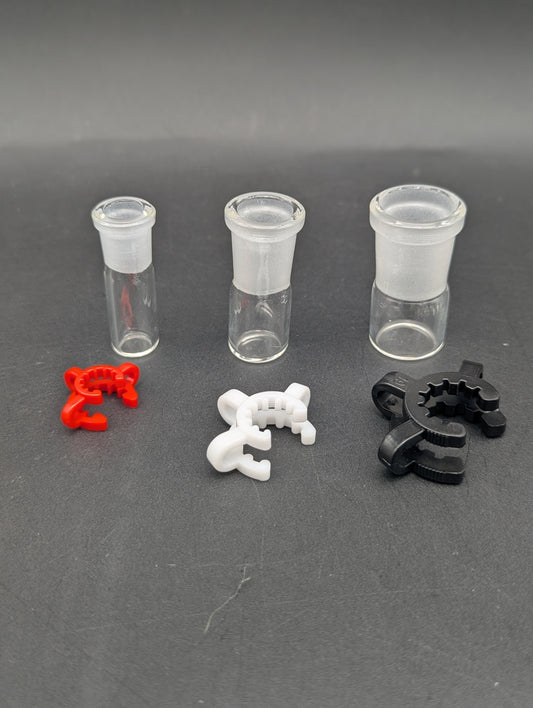
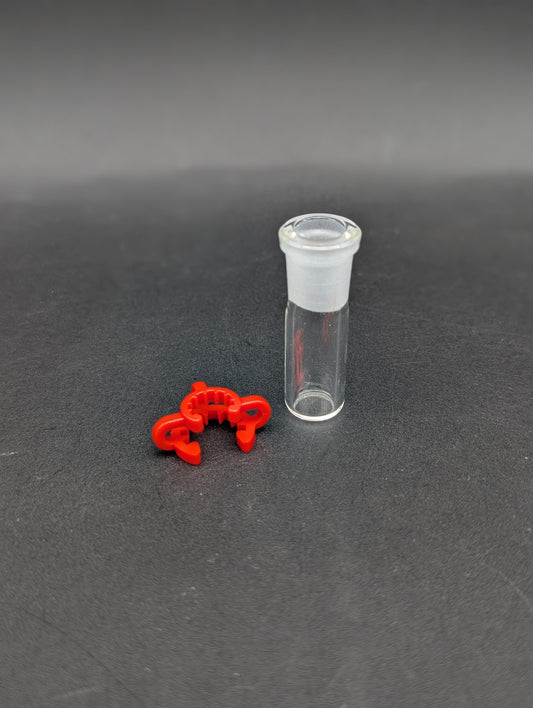
Reclaim Replacement Dish w/ Keck Clip
Regular price $4.99Regular priceUnit price per -
Hittn Glass Solid Color Reclaim Catcher 14mm 90
Regular price $17.99Regular priceUnit price per -
Hittn Glass Solid Color Reclaim Catcher 18mm 90
Regular price $17.99Regular priceUnit price per -
18mm Male 45° to 14mm Female Reclaim Catcher
Regular price $19.99Regular priceUnit price per● Pick Up Today
-
 Sold out
Reclaim Catcher 14mm 45 Degrees
Regular price $14.99Regular priceUnit price per -
MJ Arsenal SeaShore - Reclaim / Dry Ash Catcher 10mm
Regular price $49.99Regular priceUnit price per




What Is a Reclaim Catcher for a Dab Rig?
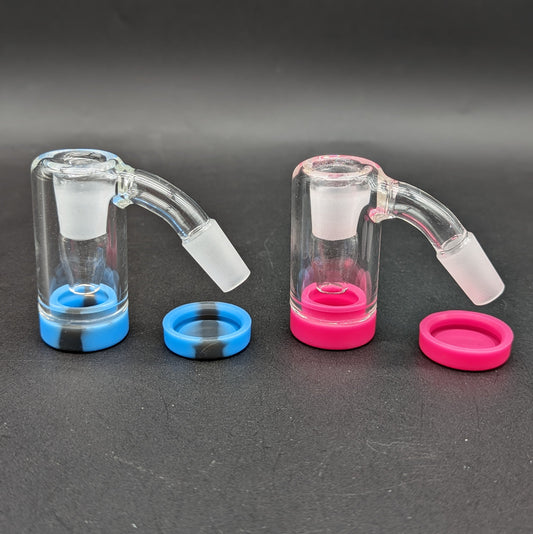
A reclaim catcher is a glass attachment positioned between a dab rig and its banger or nail. During use, some concentrate vapor and residue cools and condenses along the glass pathway. A reclaim catcher provides a separate area where some of that material can accumulate before traveling farther into the rig.
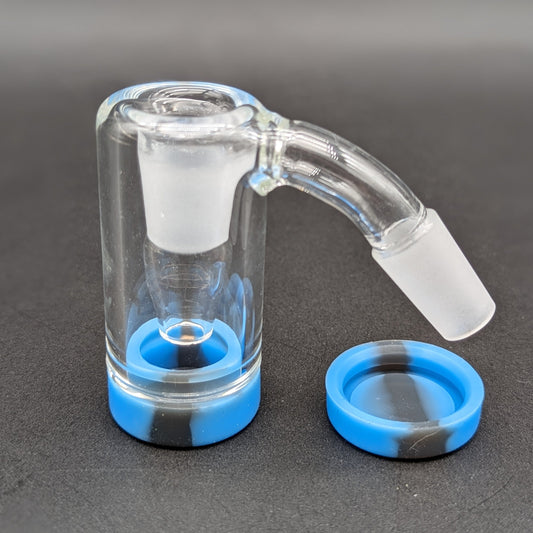
Reclaim catchers come in several designs, including drop-down reclaim adapters, compact glass chambers, and models with removable collection dishes. Some use glass containers secured with clips, while others feature silicone collection cups. Each design has different considerations for cleaning, clearance, and maintenance.
Choosing the right dab rig reclaim catcher starts with matching the joint size, gender, and angle. A properly fitted attachment can make collected residue easier to access and help reduce buildup inside harder-to-clean sections of your rig.
A reclaim catcher can reduce the amount of condensed concentrate residue entering your dab rig, but it won't eliminate buildup completely.
As concentrate vapor travels through glass, some material can condense wherever surfaces are cooler. A reclaim catcher provides an additional collection point before the vapor reaches the main chamber, but residue may still accumulate in the banger stem, rig joint, downstem, and other internal passages.
The effectiveness depends on the catcher's design, airflow path, temperature, and how frequently it is cleaned.
A reclaim catcher is best viewed as a maintenance accessory that makes some residue easier to collect and remove, not a replacement for regular rig cleaning.
Although these attachments can look similar, reclaim catchers and ash catchers are designed to collect different materials.
A reclaim catcher is primarily intended for concentrate setups. It provides a separate area where condensed wax residue can accumulate before traveling farther into the dab rig.
An ash catcher is generally used with a flower bowl to collect loose ash and burnt debris before they enter a bong. Dry ash catchers focus on debris collection, while percolator ash catchers also introduce another water-diffusion stage.
Some glass accessories, including select MJ Arsenal designs, can serve as both reclaim catchers and dry ash catchers depending on the intended configuration.
For flower-focused debris collection, explore our Dry Ash Catchers.
Both designs provide a removable collection area, but they have different advantages.
A reclaim catcher with a silicone container typically uses a flexible cup or slick that attaches beneath the glass adapter. Silicone containers can be convenient to remove and replace, although their heat tolerance and material compatibility depend on the specific product.
A glass reclaim dish offers a rigid collection chamber that can be cleaned separately. Glass can also be preferable when avoiding prolonged contact between collected residue and flexible materials.
Neither option is universally better. Consider replacement availability, attachment security, ease of cleaning, and whether the collection component was designed specifically for your catcher.
Never assume a generic concentrate container is safe to attach directly beneath a hot glass reclaim adapter.
Some reclaim catchers use replaceable silicone containers, including compact 5ml-style collection cups. However, container capacity alone does not establish compatibility.
Before purchasing a replacement, check the container's opening diameter, rim shape, attachment method, and the specifications of your reclaim catcher. A 5ml silicone slick designed for storing concentrate may not be suitable as a catcher-mounted replacement cup.
Look for a container specifically identified as compatible with your adapter. Also consider its rated temperature tolerance and whether the glass attachment keeps the cup away from direct heat.
If your setup uses a removable glass dish instead, the correct replacement may be a glass component rather than a silicone slick.
The correct reclaim catcher joint size depends on the connection used by your dab rig.
A 10mm reclaim catcher is typically intended for compatible smaller joints, including some mini dab rigs. A 14mm reclaim catcher fits compatible 14mm connections, while an 18mm reclaim catcher fits appropriately sized 18mm joints.
However, the connection entering the rig and the opening holding the banger are not necessarily identical. For example, a reclaim catcher can have an 18mm male inlet with a 14mm female banger connection.
Verify both ends of the attachment before purchasing.
If you're building or upgrading a setup, browse our Dab Rigs to compare different joint configurations.
Choose the reclaim catcher angle based on the orientation of your dab rig's joint, not simply the shape or size of the rig.
A 90 degree reclaim catcher is generally designed for upright connections, while a 45 degree reclaim catcher is intended for compatible angled joints.
The correct angle helps the collection chamber sit in its intended position. An incorrectly angled catcher may lean sideways, interfere with the rig's body, or position its collection dish awkwardly.
Also consider the banger connection. Some reclaim catchers act as adapters, changing the size or orientation of the upper joint.
Always check the actual inlet angle, joint gender, and outlet configuration before buying.
Most conventional reclaim catchers do not need water in their collection chamber. They are designed to collect condensed concentrate residue rather than provide an additional submerged percolation stage.
Adding water to a removable reclaim dish or silicone cup may interfere with the intended collection process and can make cleanup more complicated.
However, certain combination attachments incorporate water filtration or separate chambers with different operating requirements.
Follow the instructions for the specific design. Do not add water to a reclaim collection chamber unless the manufacturer identifies it as suitable.
Reclaim is residue left behind after concentrate vapor has cooled and condensed on glass or other surfaces. Its composition can vary depending on the original material, temperatures, equipment, and how long the residue has accumulated.
Collected reclaim should not automatically be considered clean or suitable for reuse. It may contain degraded compounds, unwanted residue, moisture, cleaning-agent remnants, or contamination from the equipment.
A reclaim catcher can make collected material easier to access, but it does not purify, test, or establish the safety of that material.
For routine equipment maintenance, the safest approach is to treat unidentified or contaminated residue as waste and clean the collection component according to the manufacturer's recommendations.
Allow the attachment to cool completely before removing it from your dab rig.
For compatible glass components, isopropyl alcohol can help loosen stubborn residue. Small amounts of coarse salt may assist with cleaning suitable glass chambers, provided the construction can withstand gentle agitation.
Remove silicone collection cups before cleaning the glass. Not every silicone material is compatible with prolonged alcohol exposure, high temperatures, or abrasive cleaning methods. Follow the manufacturer's instructions for the specific container.
Rinse cleaned glass thoroughly and allow it to dry completely before reinstalling it.
Keep the collection opening and attachment joints free of buildup so the components can connect securely without being forced together.