
-
Greek Glass 18mm Ash Catcher w/ Splash Guard
Regular price $29.99Regular priceUnit price per -
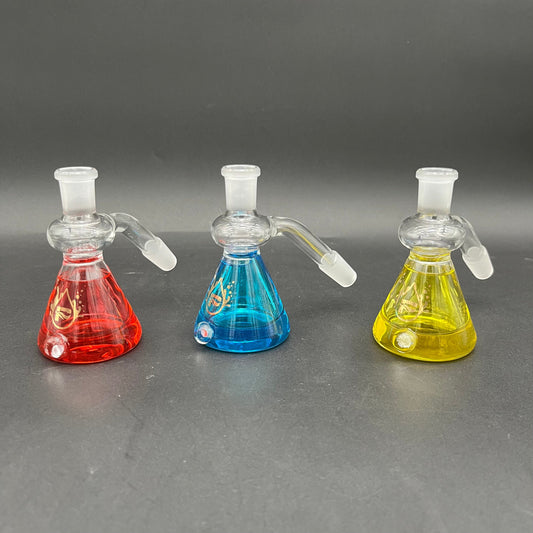
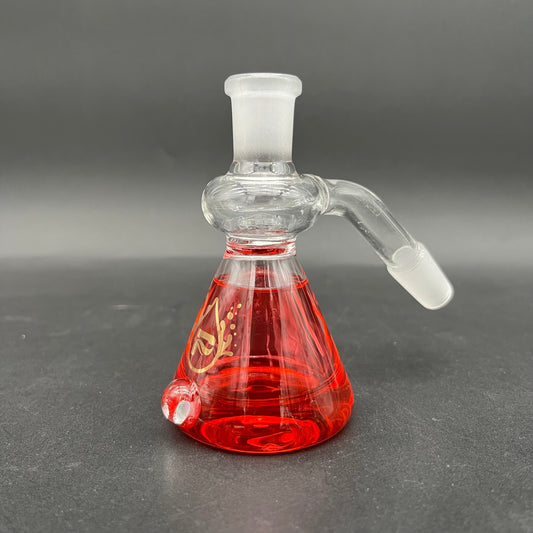
Pulsar Glycerin Beaker-Style Dry Ash Catcher | 14mm 45D
Regular price $24.99Regular priceUnit price per -
MJ Arsenal - Reclaim / Dry Ash Catcher 10mm
Regular price $33.99Regular priceUnit price per -
Pulsar Drop Down Dry Ash Catcher - 14mm
Regular price $24.99Regular priceUnit price per -
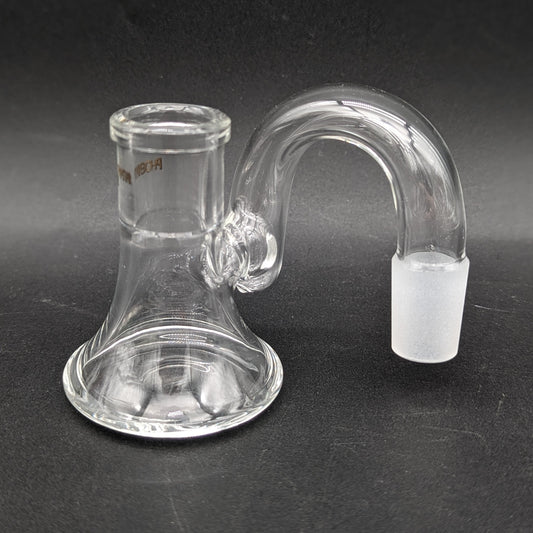
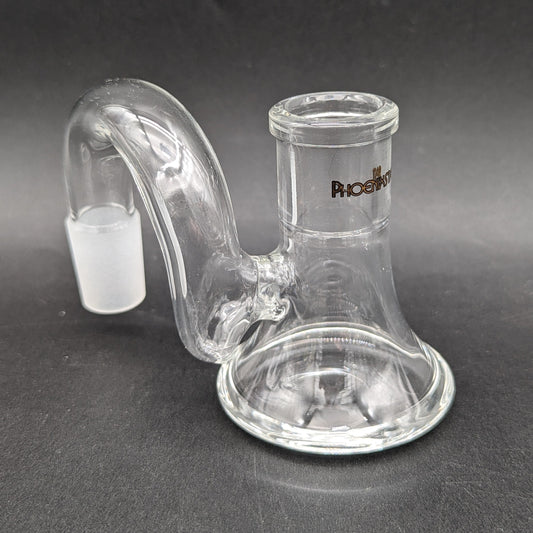
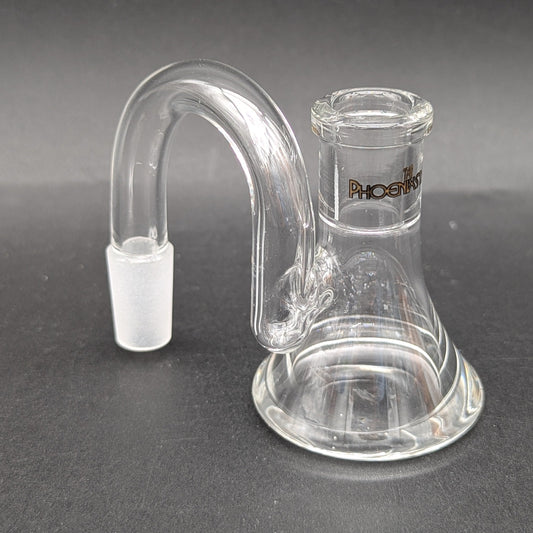
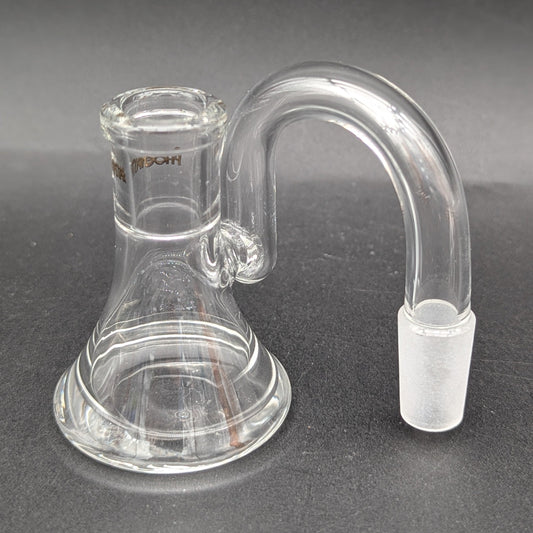
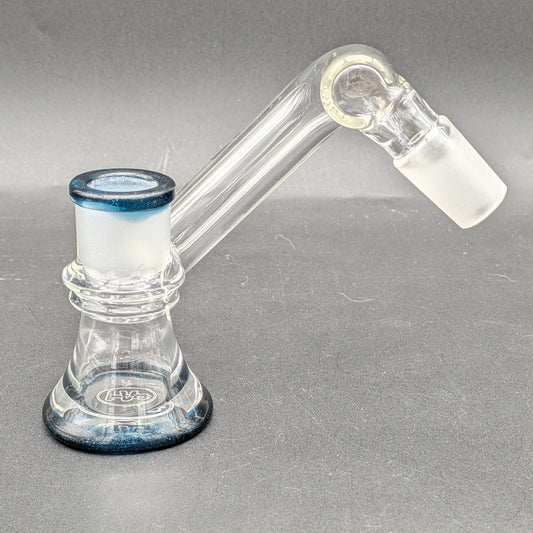
Phoenix Clear Dry Ash Catcher 18mm 90
Regular price $14.99Regular priceUnit price per -
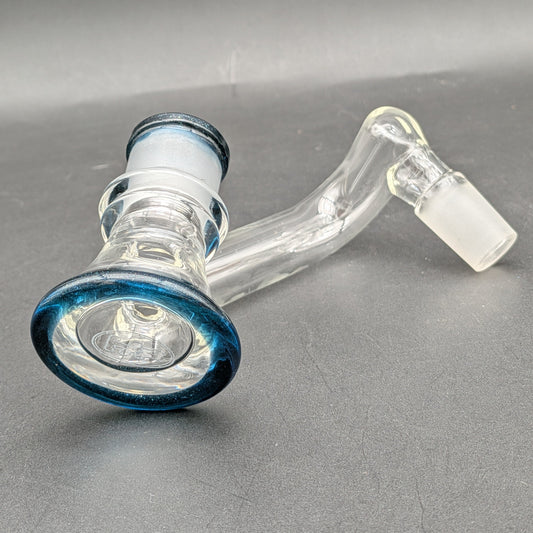
Phoenix Clear Dry Ash Catcher 14mm 90
Regular price $14.99Regular priceUnit price per -
Phoenix Classic Dry Ash Catcher 14mm
Regular price $21.99Regular priceUnit price per -
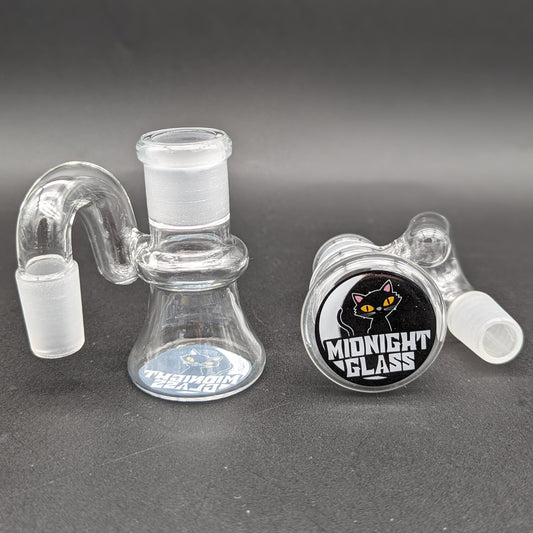
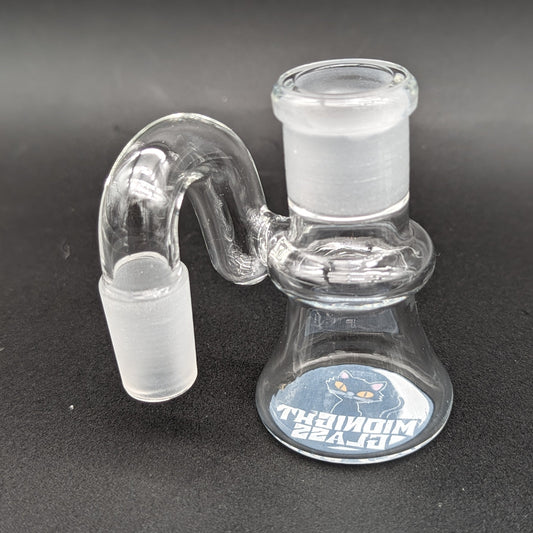
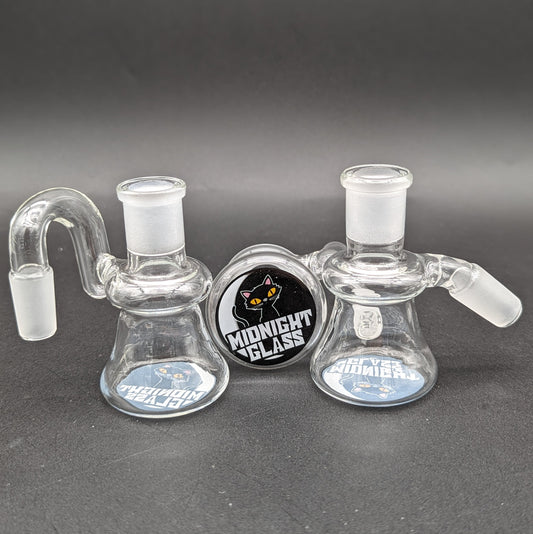
Midnight Glass Clear Dry Ash Catcher 18mm
Regular price $16.99Regular priceUnit price per -
Midnight Glass Clear Dry Ash Catcher 14mm
Regular price $16.99Regular priceUnit price per -
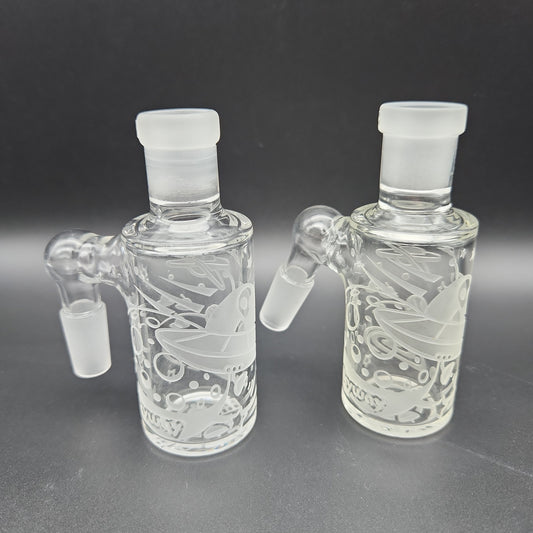
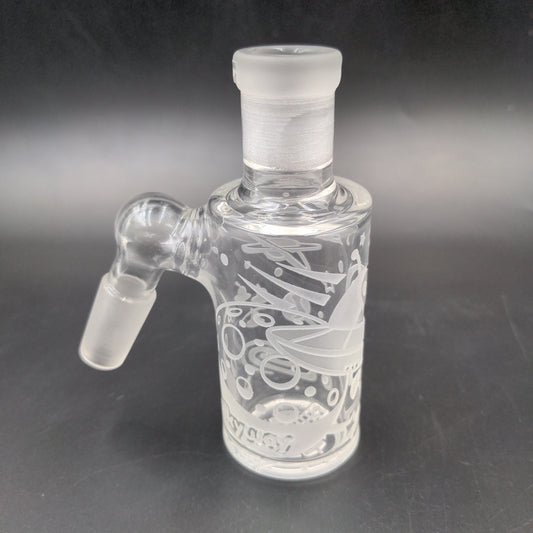
Milkyway Glass "Space Odyssey" Dry Ash Catcher 14mm
Regular price $29.99Regular priceUnit price per -
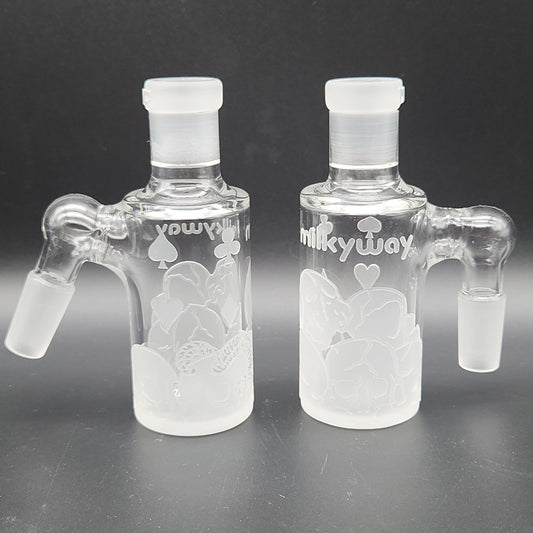
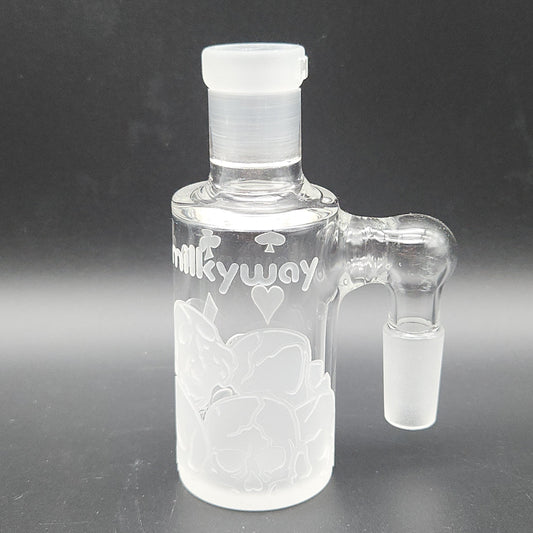
Milkyway Glass "Emperor's Legacy" Dry Ash Catcher 14mm
Regular price $29.99Regular priceUnit price per -
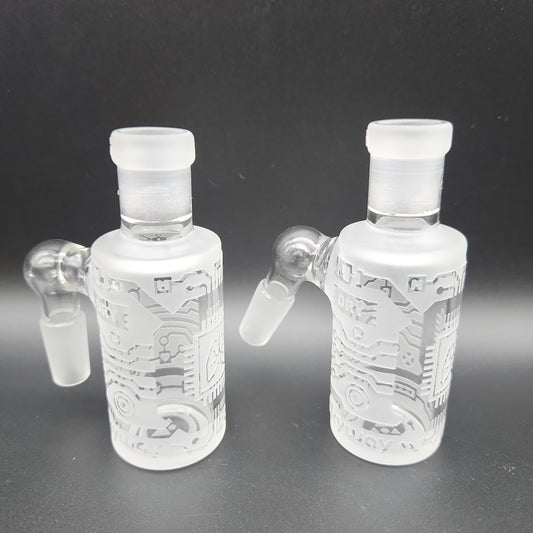
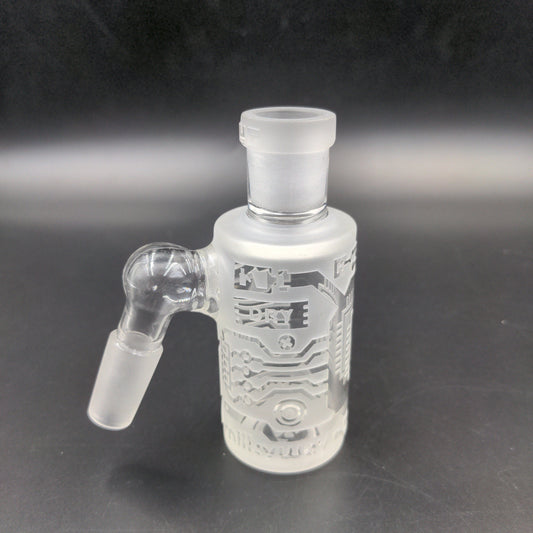
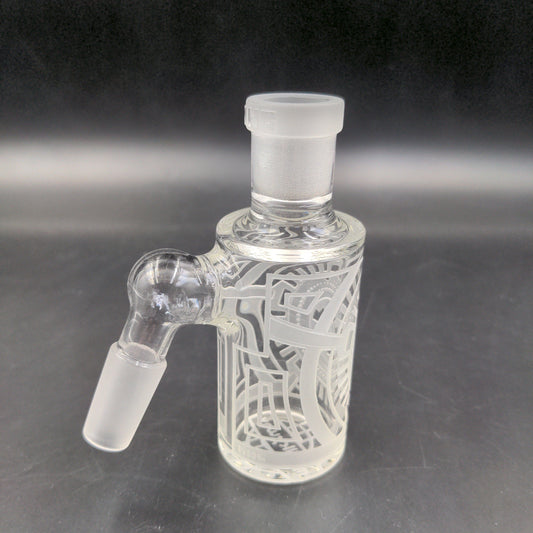
Milkyway Glass "Circuit Board" Dry Ash Catcher 14mm
Regular price $29.99Regular priceUnit price per -
Wormhole Glass "Reaper" Ash Catcher 14mm
Regular price $23.99Regular priceUnit price per -
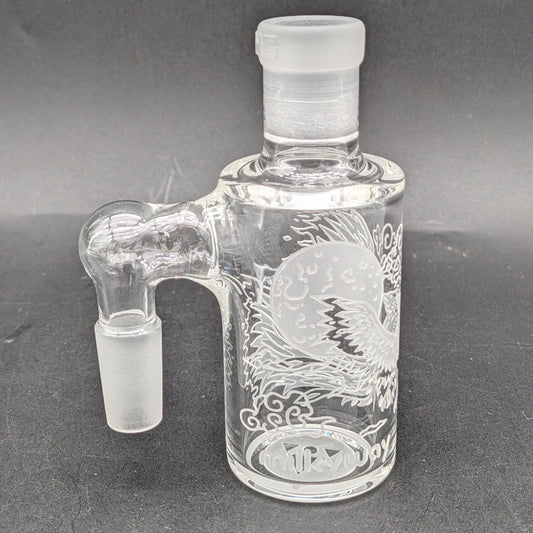
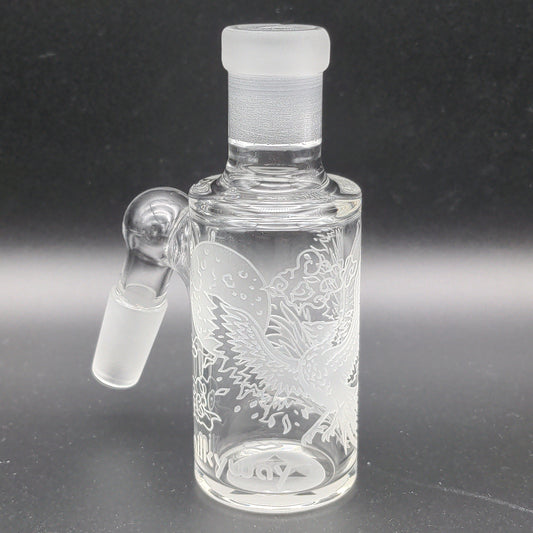
Milkyway Glass "Phoenix" Dry Ash Catcher 14mm
Regular price $29.99Regular priceUnit price per -
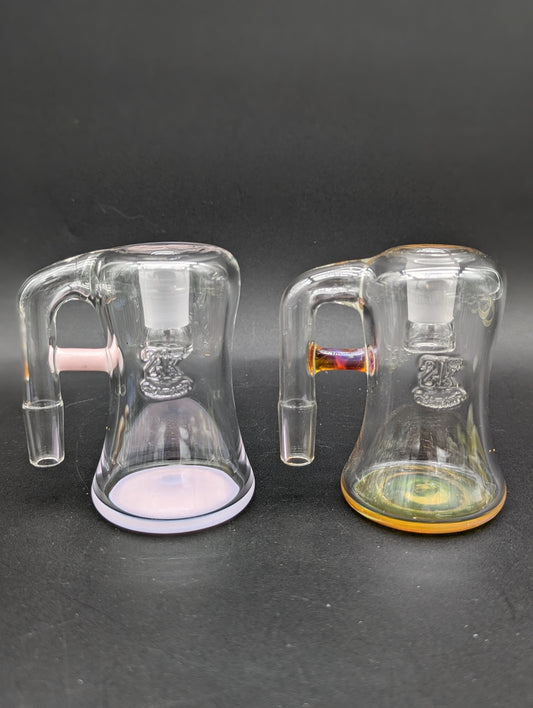
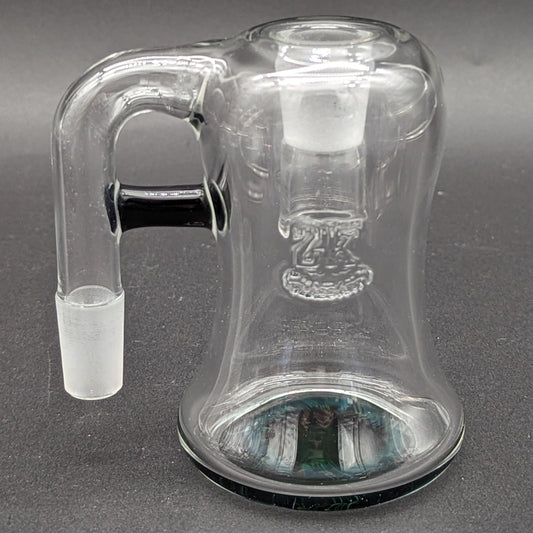
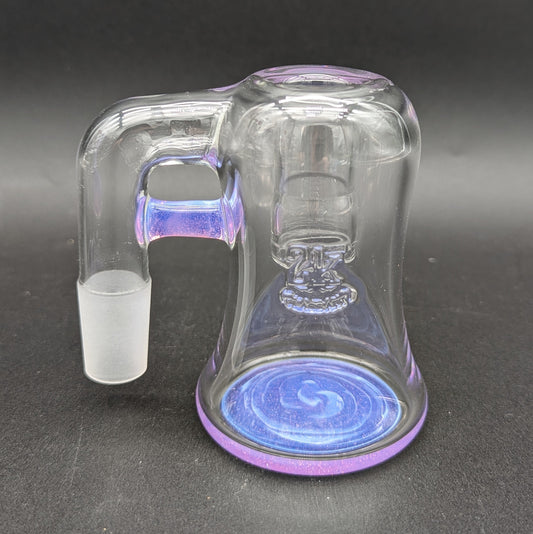
2K Glass 14mm Dry Ash Catchers 90 Degrees
Regular price $89.99Regular priceUnit price per -
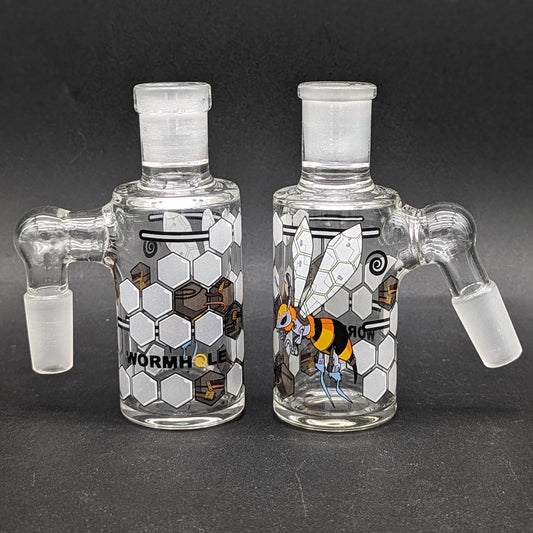
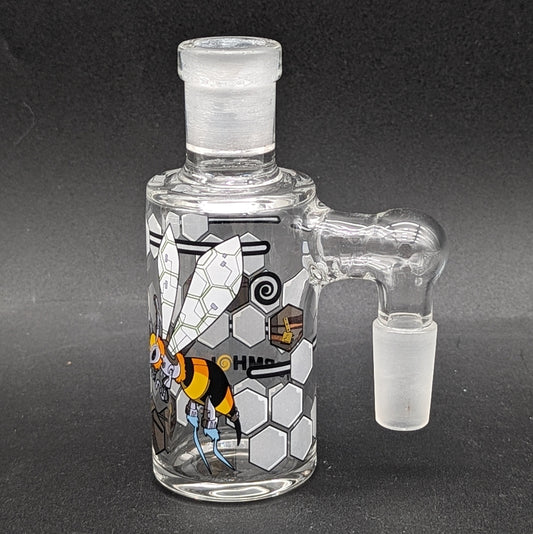
Wormhole Glass "Robo-Bees" Ash Catcher 14mm
Regular price $23.99Regular priceUnit price per -
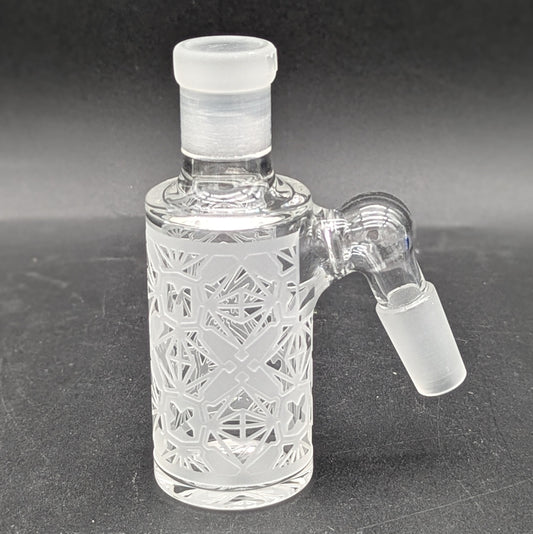
Milkyway Glass "X-Morphic: EVO" Dry Ash Catcher 14mm
Regular price From $29.99Regular priceUnit price per -
14mm Bowl with Built-In Dry Ash Catcher 90 Degrees
Regular price $12.99Regular priceUnit price per -
Milkyway Glass "Universe" Dry Ash Catcher 14mm
Regular price $34.99Regular priceUnit price per -
Milkyway Glass "Elixir Rose" Dry Ash Catcher 14mm
Regular price $29.99Regular priceUnit price per -
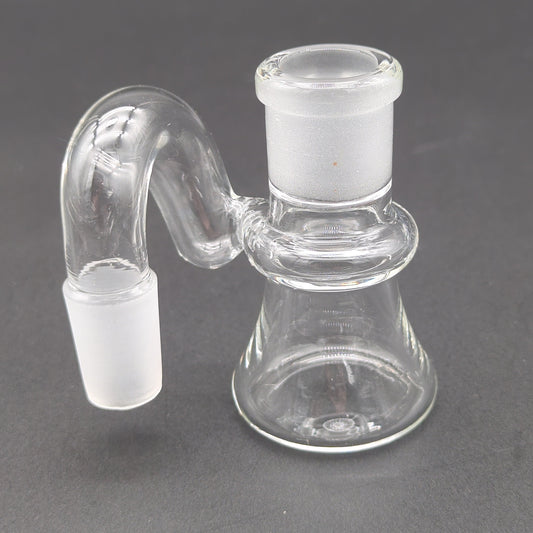
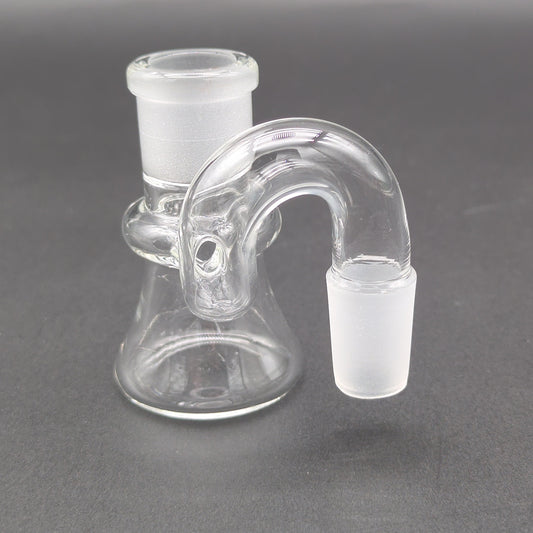 Sold out
Simple Clear Dry Ash Catcher 18mm
Regular price $14.99Regular priceUnit price per -
Wig Wag Dry Ash Catcher 14mm 90 Degree
Regular price $24.99Regular priceUnit price per -
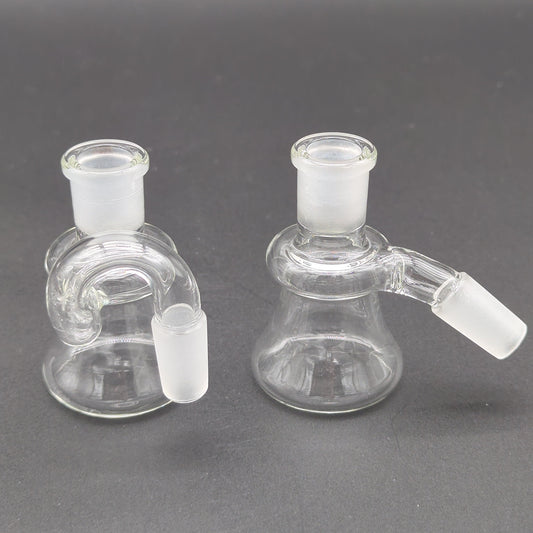
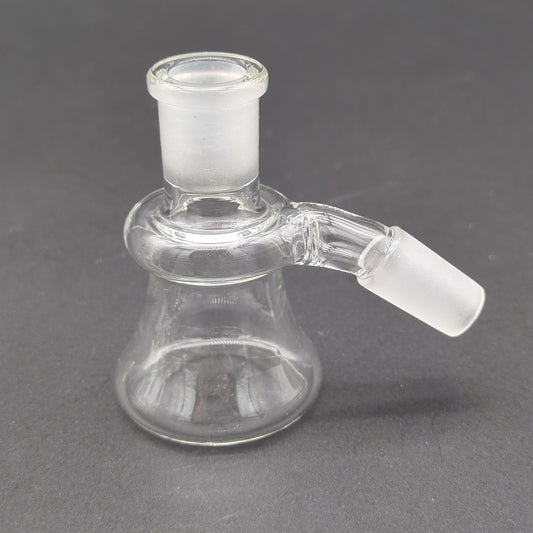 Sold out
Simple Clear Dry Ash Catcher 14mm
Regular price $14.99Regular priceUnit price per -
Pulsar Dry Ash Catcher - 14mm 90 Degrees
Regular price $19.99Regular priceUnit price per -
MJ Arsenal SeaShore - Reclaim / Dry Ash Catcher 10mm
Regular price $49.99Regular priceUnit price per -
MJ Arsenal Ash Catcher & Bowl - Snowman
Regular price $33.99Regular priceUnit price per -
Milkyway Glass "Bee Hive" Dry Ash Catcher 14mm
Regular price $29.99Regular priceUnit price per -

 Sold out
Greek Glass 18mm Dry Ash Catcher
Regular price $29.99Regular priceUnit price per -
TAG - Drop Down Dry Ash Catcher - 18mm
Regular price $37.99Regular priceUnit price per -
2K Glass 18mm Dry Ash Catchers 90 Degrees
Regular price From $89.99Regular priceUnit price per -
TAG - Color Accented Drop Down Dry Ash Catcher - 18mm
Regular price From $49.99Regular priceUnit price per -
Greek Glass 14mm Ash Catcher w/ Splash Guard
Regular price $29.99Regular priceUnit price per -
Milkyway Glass "Nuclear" Dry Ash Catcher 14mm
Regular price $34.99Regular priceUnit price per -
Wormhole Glass "Lost in Space" Dry Ash Catcher 14mm
Regular price $23.99Regular priceUnit price per -
TAG - Drop Down Dry Ash Catcher - 14mm
Regular price $37.99Regular priceUnit price per -
Pulsar Worked Claw Ash Catcher - 14mm 45 Degrees
Regular price $24.99Regular priceUnit price per







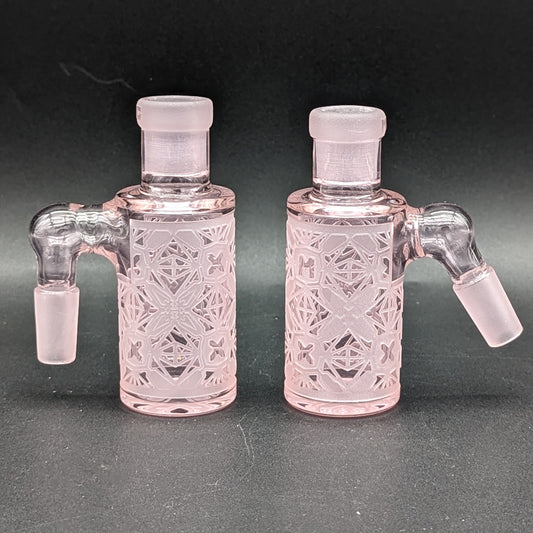


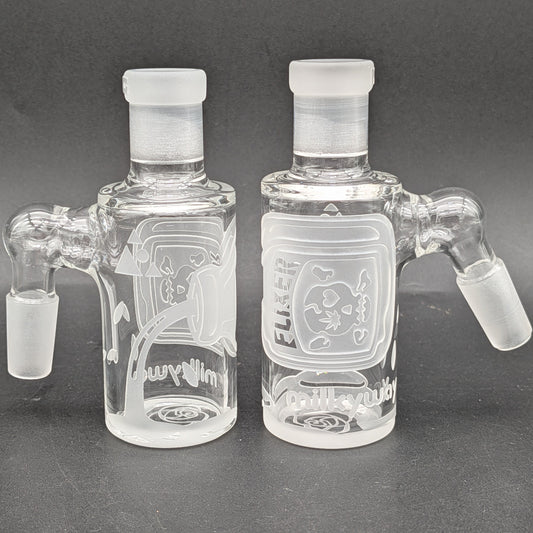
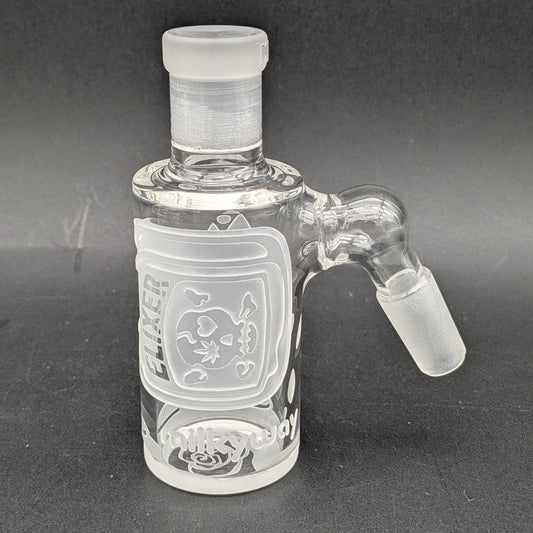


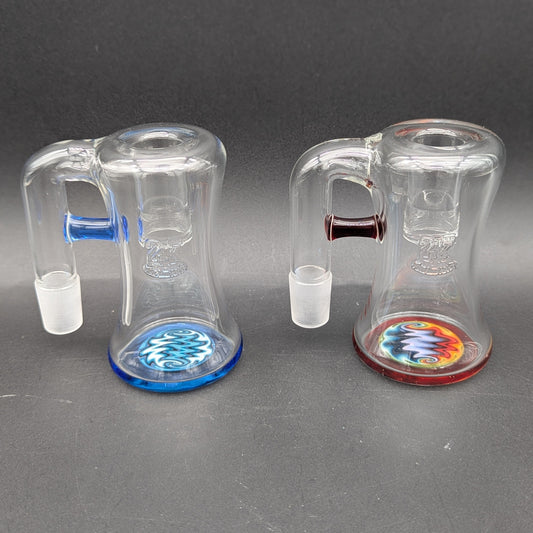


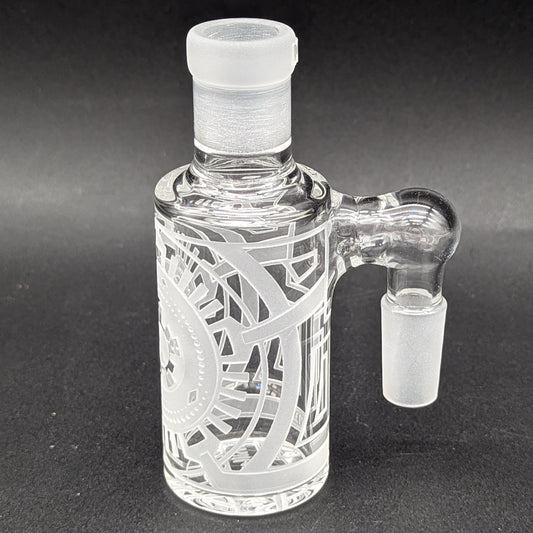


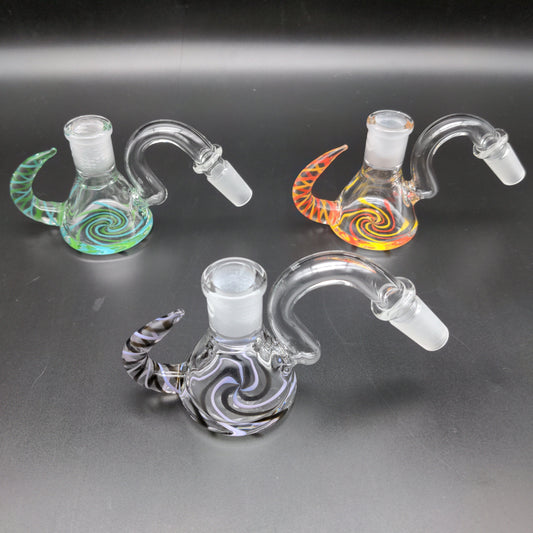
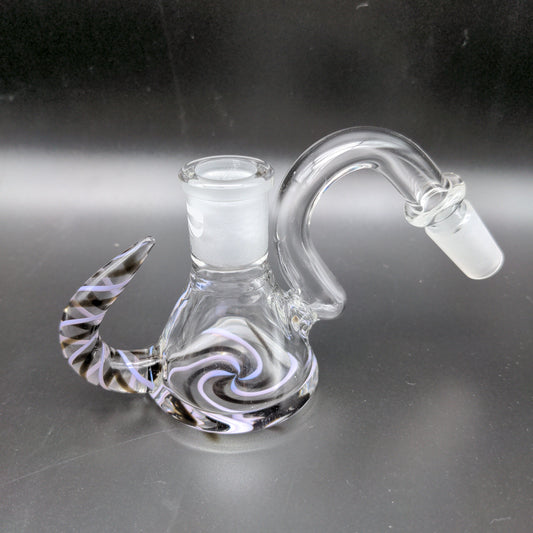
Dry Ash Catchers: Cleaner Glass Without Extra Percolation
A dry ash catcher for bongs is designed to trap loose ash, burnt material, and debris before they reach your main water pipe, without adding another stage of water percolation. Instead of forcing airflow through a second diffuser, a dry catcher uses its chamber and internal glass pathways to separate falling debris from the airflow.
Despite the name, some dry ash catchers can hold a small amount of water in a lower collection trap. This can help capture falling ash and make residue easier to rinse away, provided the design keeps the water below the airflow path. Other models are intended to be used completely dry.
From compact glass catchers to drop-down designs, dry ash catchers offer a straightforward way to reduce debris buildup while preserving much of your bong's existing airflow. The right choice depends on the chamber design, joint compatibility, clearance, and how you prefer to maintain your glass.
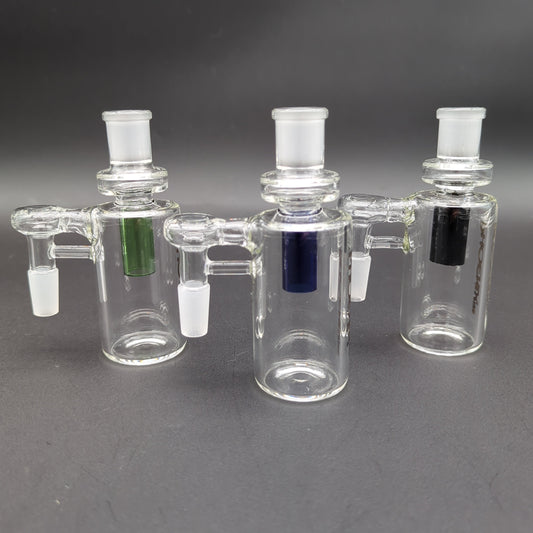
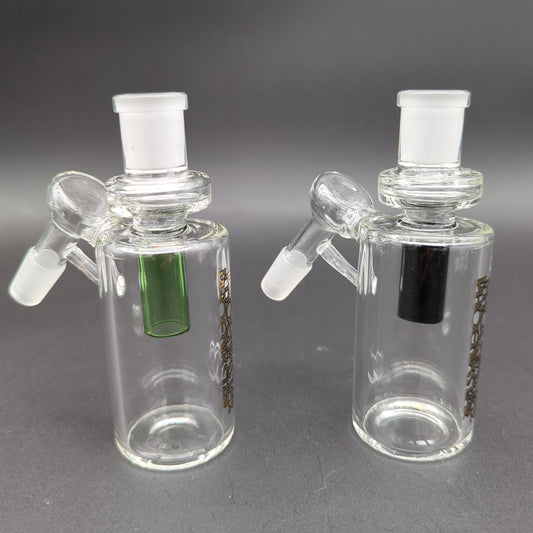
A dry ash catcher is a removable glass attachment that sits between your bong's joint and bowl. Its purpose is to catch ash, burnt material, and loose debris before they travel into the bong's main water chamber.
As air passes through the catcher, the internal chamber creates an opportunity for heavier particles to fall out of the airflow and collect in the bottom. Different designs accomplish this with enlarged chambers, directional changes, or drop-down pathways.
Unlike a traditional percolator ash catcher, a dry model does not require smoke to bubble through a second water chamber. This makes it especially appealing to customers who already like their bong's existing airflow but want to reduce debris buildup.
Some dry ash catchers can be used with a small amount of water, while others are designed to operate completely dry.
The word dry generally refers to the absence of an additional water-percolation stage. Certain glass dry catchers feature a lower collection trap where a little water can help catch falling ash and make the chamber easier to rinse.
Other designs have internal pathways that could allow water to splash or travel into the bong. Those should be operated according to the manufacturer's instructions.
The important distinction is that adding a little water to a compatible dry catcher does not turn it into a percolator ash catcher. Air still travels through the intended dry pathway rather than bubbling through submerged diffusion openings.
For a dry ash catcher with a suitable lower collection trap, start with only enough water to lightly cover the bottom of the trap, if the manufacturer permits it.
The water should remain below the intended airflow passage and well away from any outlet leading into the bong. Avoid filling the chamber like a regular percolator ash catcher.
There is no universal measurement because dry catcher designs vary considerably. A compact chamber may tolerate very little water, while a larger drop-down trap may have more space.
If water begins splashing into the outlet, obstructing airflow, or traveling toward your bong, the level is too high. Some models should not contain water at all.
It can, especially in designs with a separate debris-collection chamber.
A small amount of water can help catch loose ash as it falls into the trap, making some of the collected material easier to pour out and rinse away. It may also reduce how much dry ash sticks directly to the bottom of the glass.
However, water does not prevent resin buildup, and it doesn't eliminate the need for cleaning. Sticky residue can still collect along the internal glass surfaces and airflow passages.
For compatible designs, using a little fresh water is an optional maintenance preference rather than a requirement for the ash catcher to work..
Both attachments collect debris before it enters the bong, but they handle airflow differently.
A dry ash catcher is primarily a debris trap. It generally has a simpler internal pathway and does not add a separate water-diffusion stage.
A percolator ash catcher uses water and an internal diffuser, such as a showerhead, honeycomb, or tree perc. Air passes through submerged openings, creating bubbles and adding another diffusion stage.
That additional functionality can introduce more airflow resistance, weight, and cleaning requirements.
If you already enjoy your bong's existing percolation and simply want to keep ash out of its chamber, a dry catcher may be the more practical option. For additional diffusion, explore our Percolator Ash Catchers.
Dry ash catchers generally introduce less additional airflow resistance than water-filled percolator catchers, but they aren't completely resistance-free.
Air still needs to pass through an extra chamber and additional glass connections. The effect depends on the diameter of the internal pathways, bends, chamber shape, and any accumulated debris.
A well-designed dry catcher with an open airflow path may produce very little noticeable change. Conversely, a narrow or dirty catcher can make the draw feel more restricted.
If preserving your bong's existing pull is a priority, compare the internal pathways rather than choosing solely by the catcher's outside appearance.
An ash catcher can collect falling ash, loose material, and some heavier residue before those materials reach the bong.
However, it cannot prevent all resin from forming inside your water pipe. Residue can still accumulate wherever smoke contacts the glass, including the downstem, chamber, and mouthpiece.
The main maintenance advantage comes from collecting debris in an attachment that can be removed and cleaned separately.
If your primary goal is reducing loose ash and keeping the bong's water chamber free of larger debris, a dry catcher is designed for exactly that job.
Choose the dry ash catcher based on the connection dimensions of your bong, not its overall height or shape.
Choose the dry ash catcher based on your bong's joint size, not its overall height or shape.
A 14mm dry ash catcher is designed for compatible 14mm connections, while an 18mm dry ash catcher fits appropriately sized 18mm joints. The two sizes are not directly interchangeable without a suitable adapter.
If your bong has a 14mm joint, explore our 14mm Ash Catchers. For larger 18mm connections, browse our 18mm Ash Catchers.
Remember that joint size is only part of compatibility. You'll also need to verify the connection's gender, angle, and available clearance. Some ash catchers even use different joint sizes for the bong connection and bowl openingility.
The correct angle depends on your bong's joint orientation, not simply whether you own a beaker or straight tube.
A 45 degree dry ash catcher is generally intended for angled joints, commonly found on traditional beaker bongs. A 90 degree dry ash catcher is typically designed for upright joints, often found on straight tube water pipes.
If your bong has a slanted connection, compare our 45 Degree Ash Catchers. If the joint sits upright, explore our 90 Degree Ash Catchers.
Matching the attachment angle helps the collection chamber sit as intended, reducing the risk of awkward positioning, clearance problems, and unwanted water movement if the catcher contains water. Always verify the actual joint angle before purchasing.
Although certain glass designs look similar, a dry ash catcher and a reclaim catcher serve different purposes.
Dry ash catchers are primarily used to collect ash and loose debris from a bowl before those particles enter a bong.
Reclaim catchers are designed for concentrate setups, where they collect condensed material that would otherwise accumulate farther inside a dab rig. Some reclaim catchers include removable collection containers or specialized chambers.
Certain products can serve more than one purpose, but compatibility and intended use depend on the actual design.
For concentrate-specific collection accessories, explore our Reclaim Catchers.