
-
Mini Ash Catcher with Showerhead Perc 18mm
Regular price $14.99Regular priceUnit price per -
Simple Matrix Perc Ash Catcher 14mm 90 Degrees
Regular price $19.99Regular priceUnit price per -
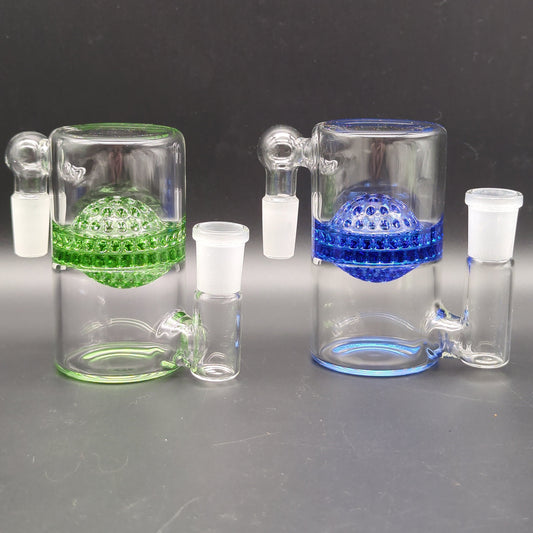
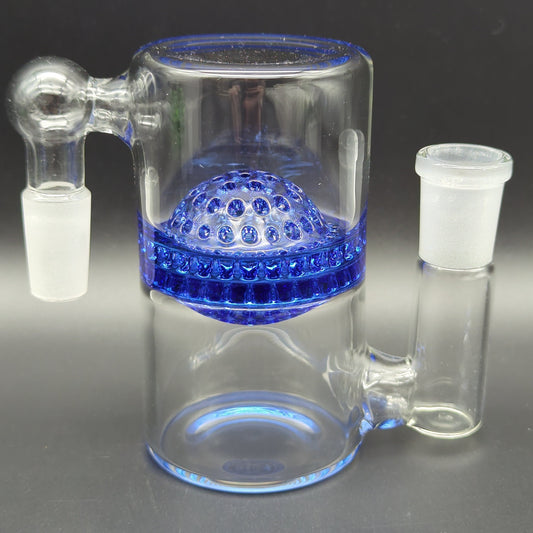
Phoenix Matrix Ash Catcher 18mm 90 Degrees
Regular price $29.99Regular priceUnit price per -
Mini Slitted Disc Ash catchers 18mm 90 Degrees
Regular price $19.99Regular priceUnit price per -
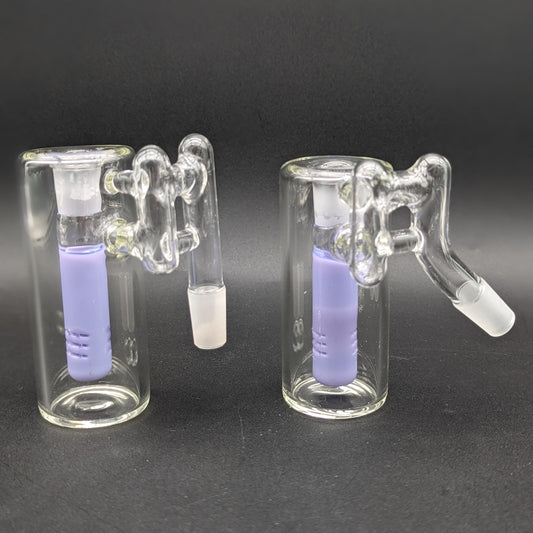
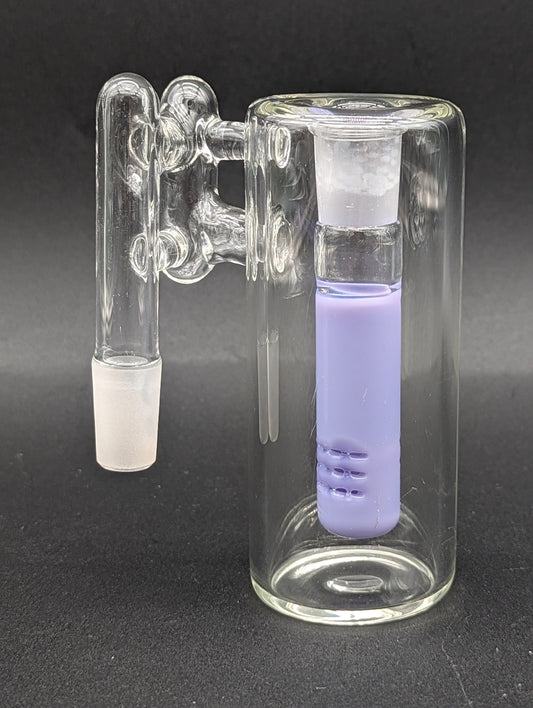 Sold out
Slitted Downstem Ash Catcher 14mm
Regular price $19.99Regular priceUnit price per -

 Sold out
Cookies C Bite Ash Catcher - 14mm
Regular price $39.99Regular priceUnit price per -
Classic Showerhead Ash Catcher 14mm 90 Degrees
Regular price $15.99Regular priceUnit price per -
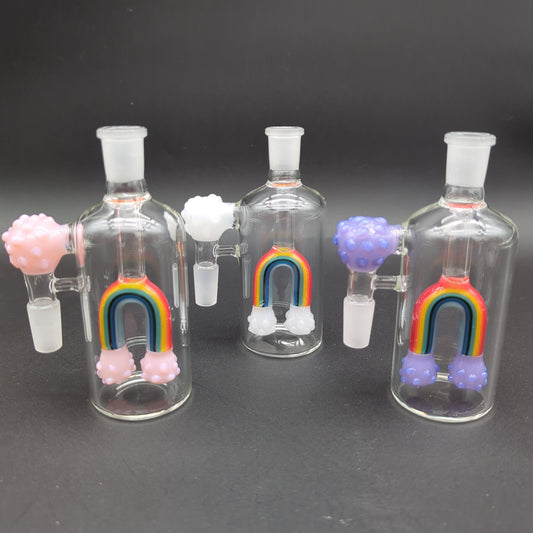
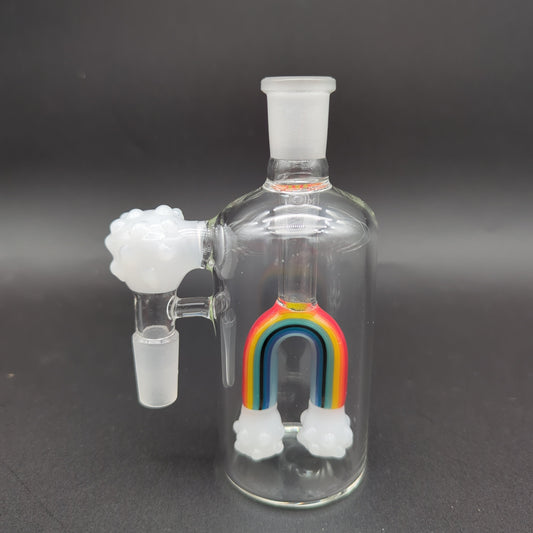 Sold out
Rainbow Clouds Ash Catcher 14mm
Regular price $29.99Regular priceUnit price per -
 Sold out
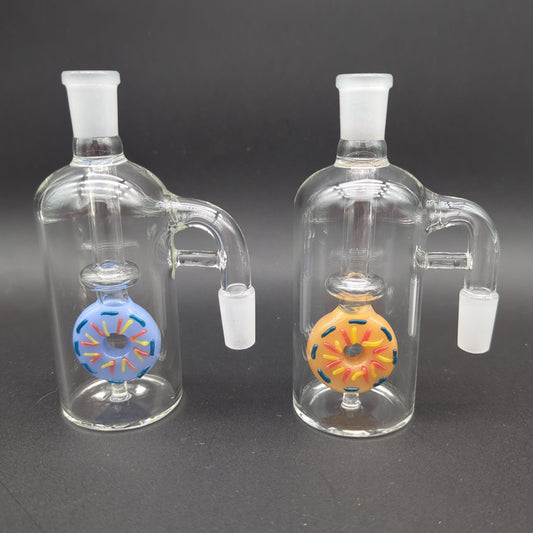
Donut Ash Catcher 14mm 90 Degrees
Regular price $24.99Regular priceUnit price per -
 Sold out
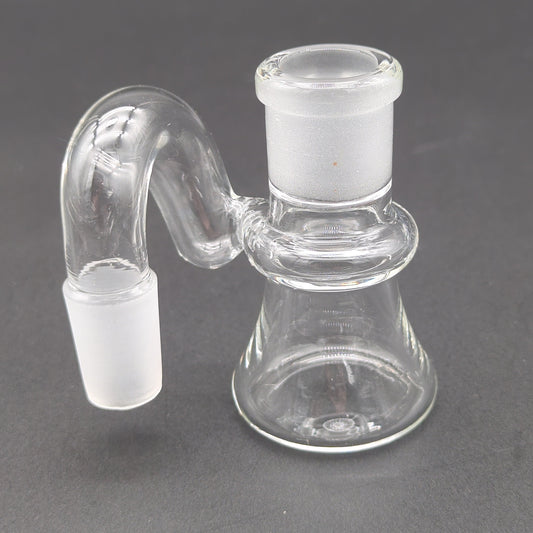
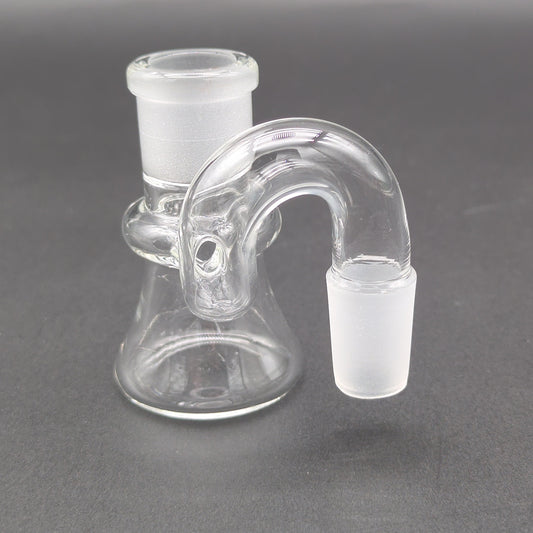
Simple Clear Dry Ash Catcher 18mm
Regular price $14.99Regular priceUnit price per -
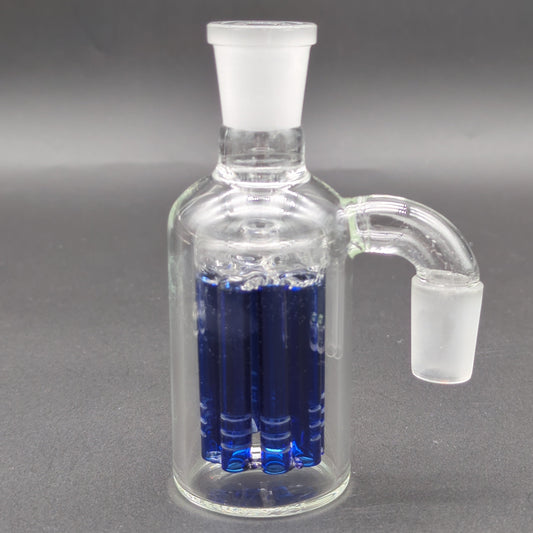
Wig Wag Dry Ash Catcher 14mm 90 Degree
Regular price $24.99Regular priceUnit price per -
 Sold out
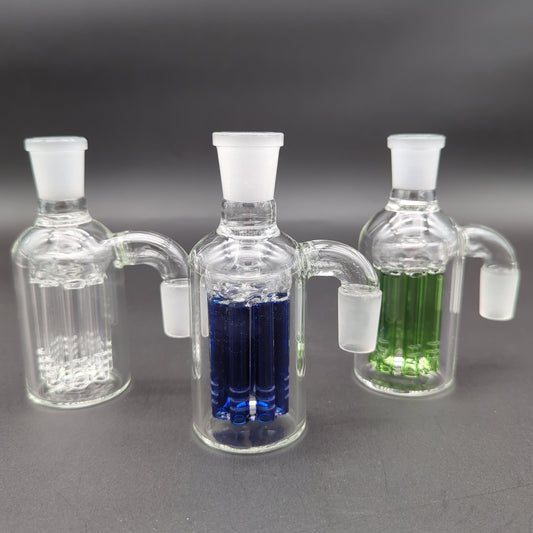
8 Arm Ash Catcher 18mm 90 Degrees
Regular price $24.99Regular priceUnit price per -
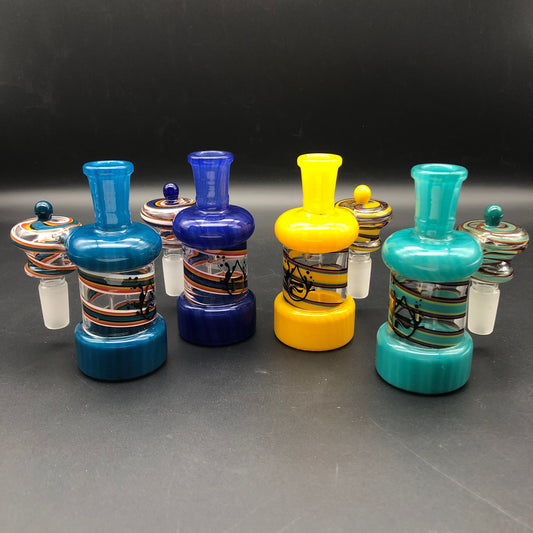
Color Matched Dry Ash Catcher + Bowl Set 14mm
Regular price $34.99Regular priceUnit price per -
Color Matched Dry Ash Catcher + Bowl Set 18mm
Regular price $34.99Regular priceUnit price per -
Phoenix Ash Catcher w/ Slitted Downstem 18mm 90°
Regular price $17.99Regular priceUnit price per -
Pulsar Dry Ash Catcher - 14mm 90 Degrees
Regular price $19.99Regular priceUnit price per -
Pulsar Color Worked Dry Ash Catcher - 14mm 90 Degrees
Regular price $24.99Regular priceUnit price per -
Pulsar Beaker Perc Ash Catcher - 14mm 90 Degrees
Regular price $35.99Regular priceUnit price per -
Pulsar "No Ash" Ash Catcher - 14mm 90 Degrees
Regular price $35.99Regular priceUnit price per -
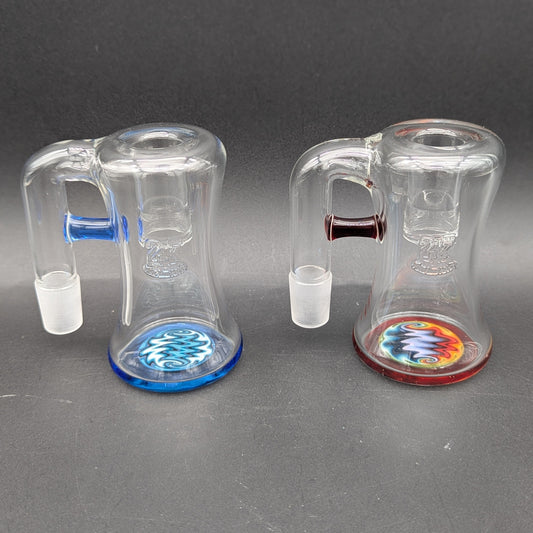
Pulsar 14mm Clear Ash Catchers - Assorted Percs
Regular price $19.99Regular priceUnit price per -
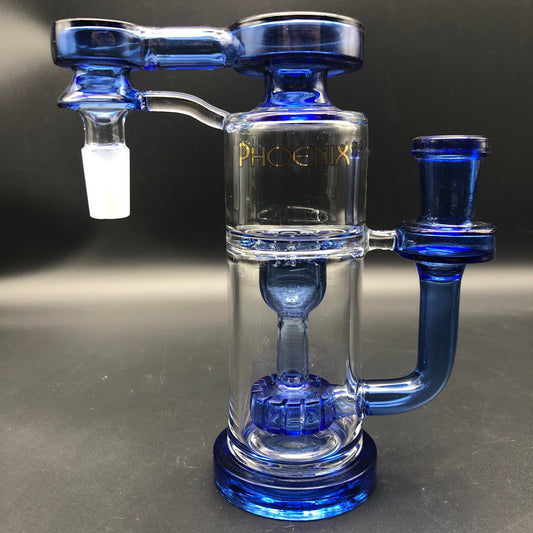
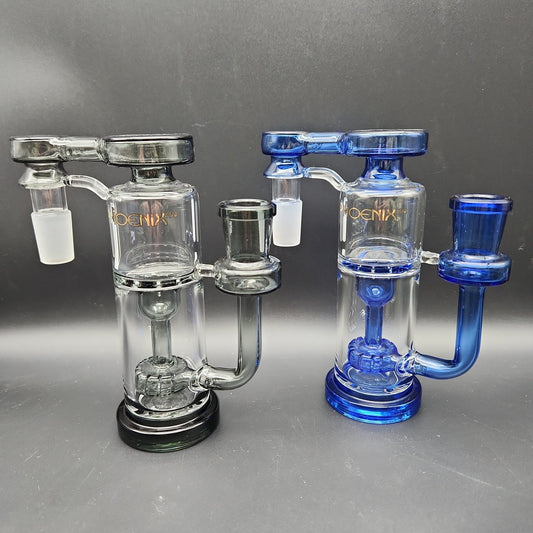
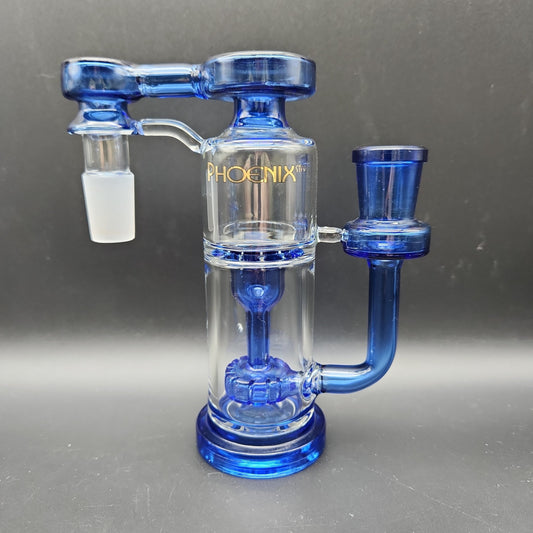
Phoenix Recycler Ash Catcher 14mm 90 Degrees
Regular price $39.99Regular priceUnit price per -
Phoenix Recycler Ash Catcher 18mm 90 Degrees
Regular price $39.99Regular priceUnit price per -
Phoenix Matrix Size Reducing Ash Catcher 18mm to 14mm
Regular price $29.99Regular priceUnit price per -
Netted Disc Wet Ash Catcher 14mm 90 Degrees
Regular price $19.99Regular priceUnit price per -
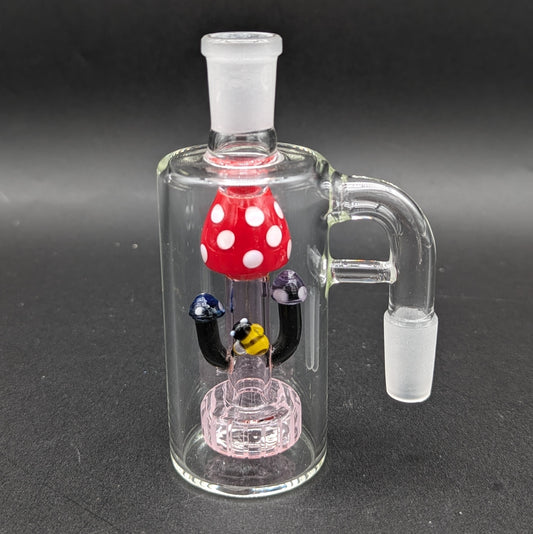
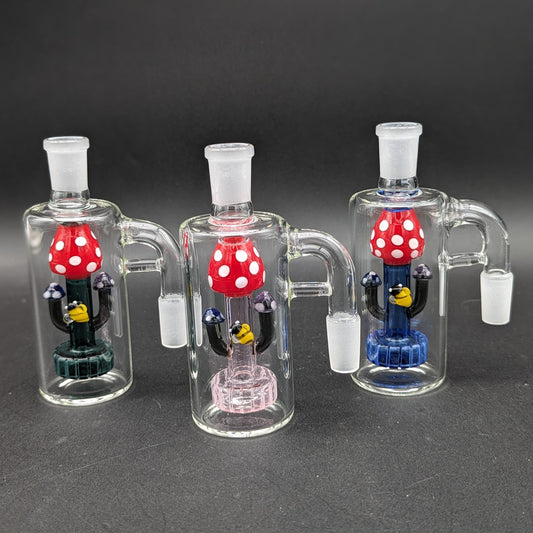
Mushroom Ash Catcher w/ Showerhead Perc 14mm 90 Degrees
Regular price $19.99Regular priceUnit price per -
Milkyway Glass "Bee Hive" Dry Ash Catcher 14mm
Regular price $29.99Regular priceUnit price per -
12 Arm Tree Perc Recycler Ash Catcher - 18mm 90°
Regular price $39.99Regular priceUnit price per -
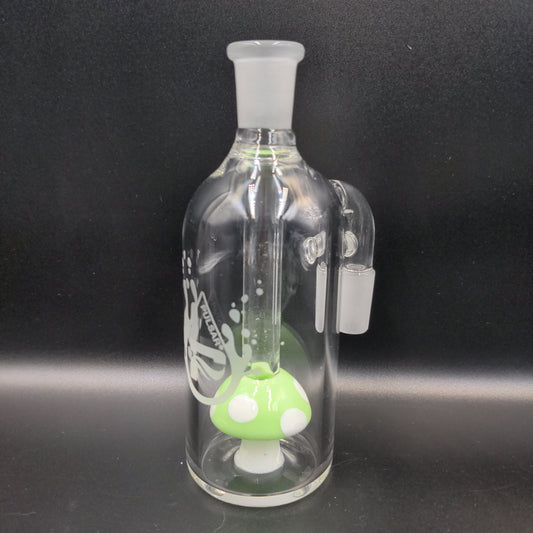
Pulsar Mushroom Ash Catcher - 14mm 90 Degrees
Regular price $35.99Regular priceUnit price per -
Phoenix Ribbed Ash Catcher with Perc 18mm 90°
Regular price $29.99Regular priceUnit price per -
Pulsar Resonant Reality Ash Catcher - 14mm 90D
Regular price From $34.99Regular priceUnit price per$39.99Sale price From $34.99Sold out -

 Sold out
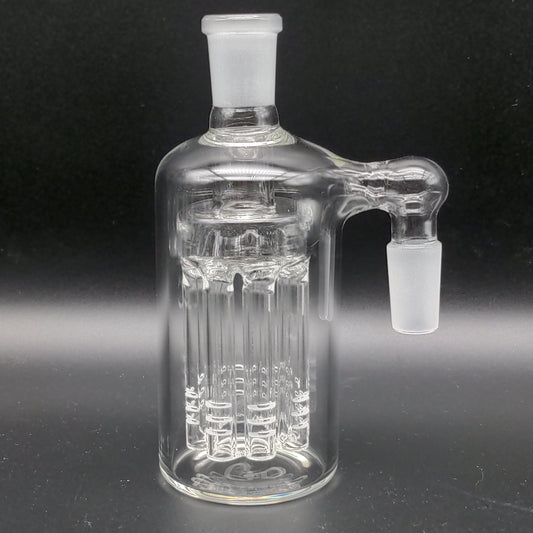
8 Arm Ash Catcher 14mm 90 Degrees
Regular price $24.99Regular priceUnit price per -
Pulsar Egg Perc Ash Catcher - 14mm 90 Degree
Regular price $35.99Regular priceUnit price per -
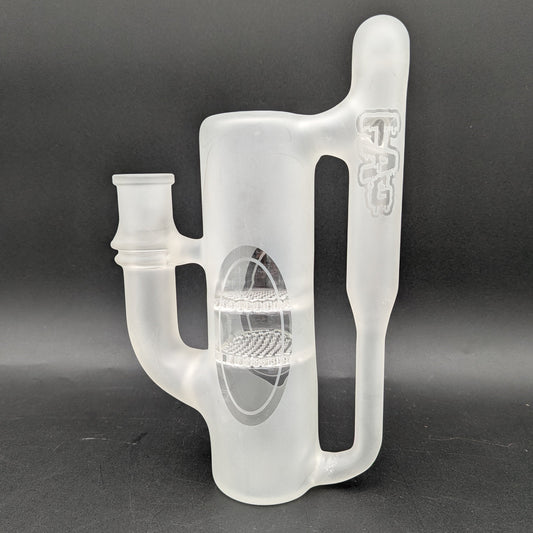
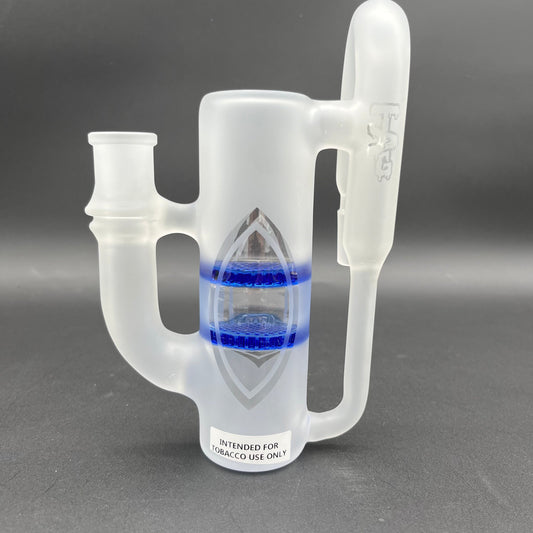
TAG - 8.25" Double Honeycomb Recycling Ash Catcher
Regular price From $109.99Regular priceUnit price per -
TAG - Drop Down Dry Ash Catcher - 18mm
Regular price $37.99Regular priceUnit price per -
2K Glass 18mm Dry Ash Catchers 90 Degrees
Regular price From $89.99Regular priceUnit price per




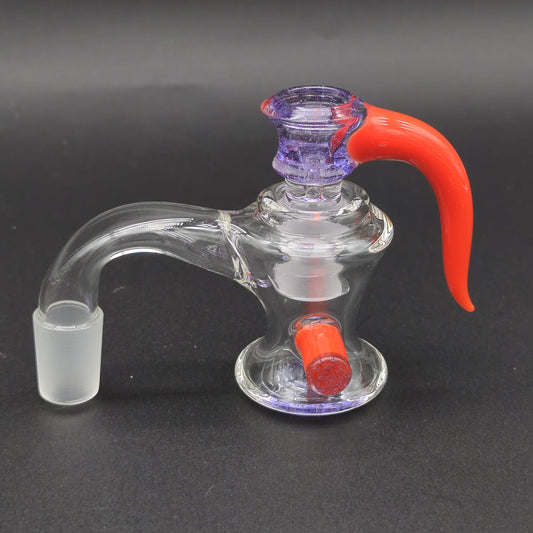
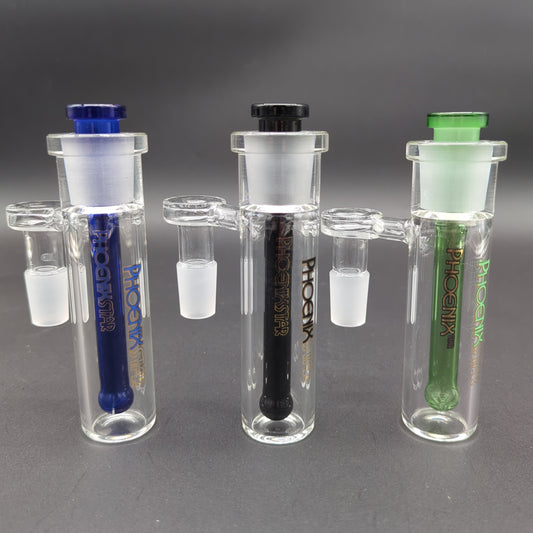
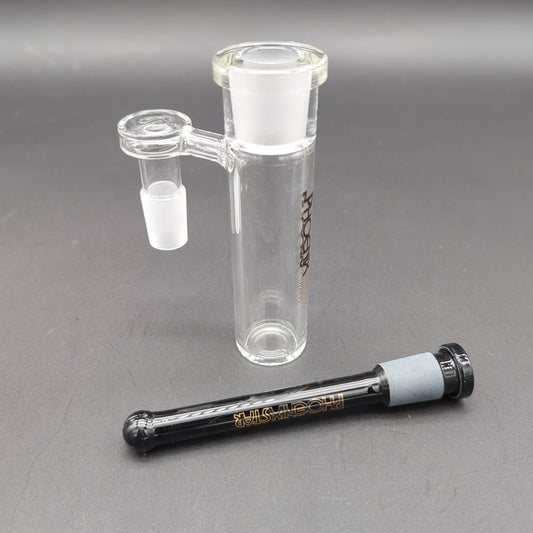


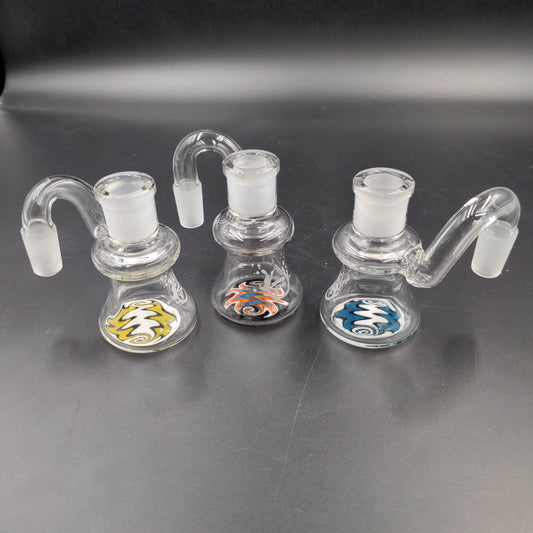
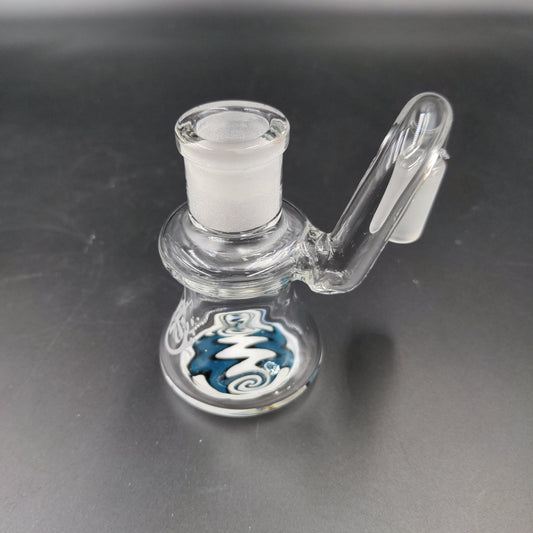

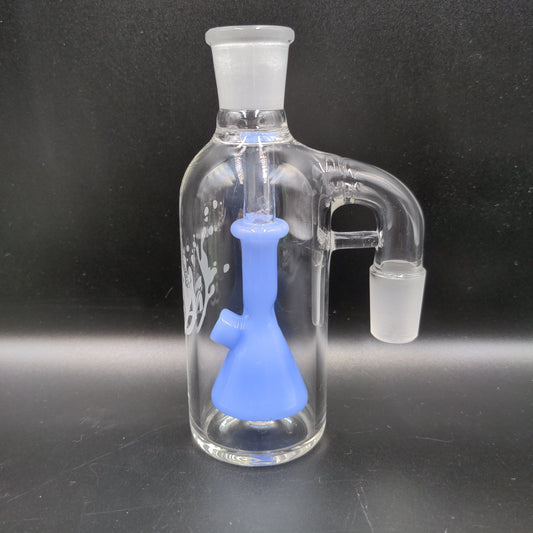
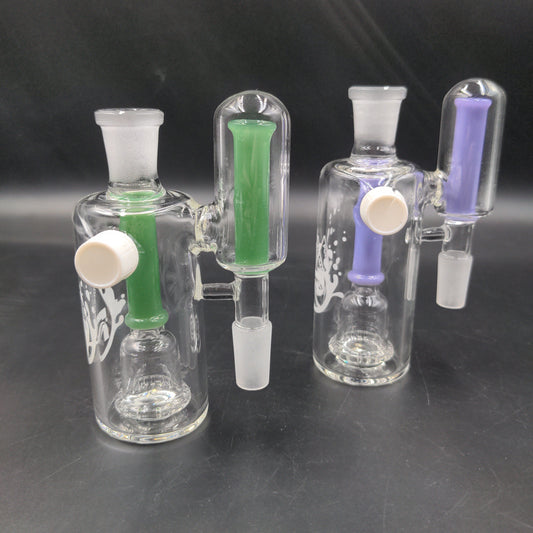
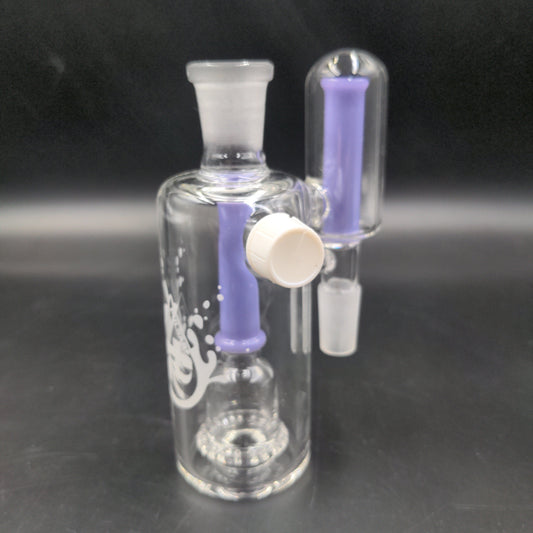












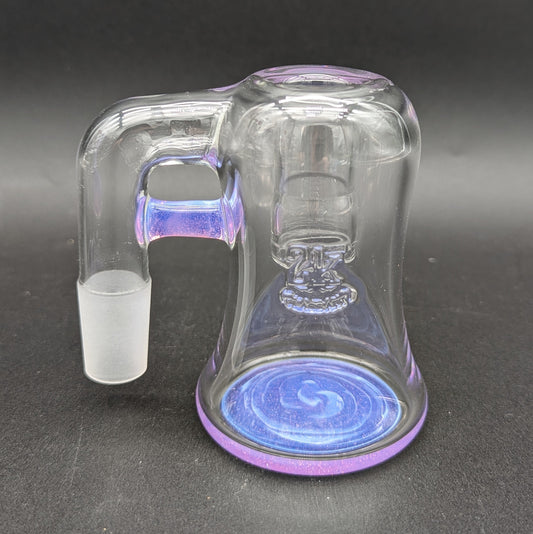
Protect Your Glass With a 90 Degree Ash Catcher
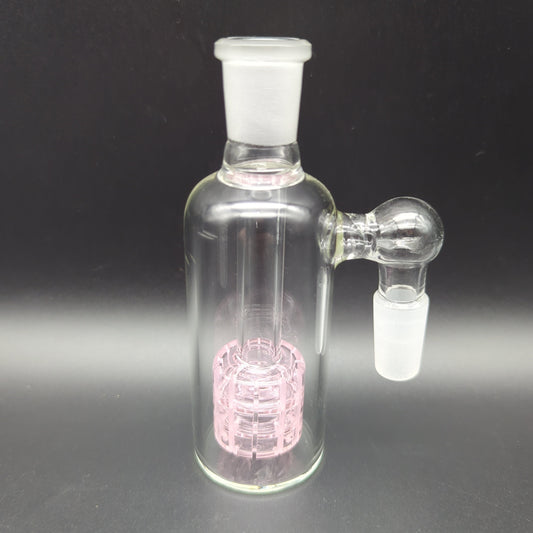
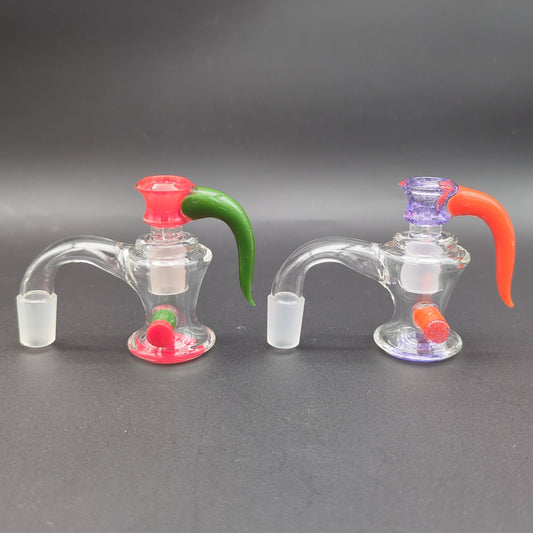
A 90 degree ash catcher is a practical upgrade for compatible bongs and water pipes with upright joints. Positioned between your bowl and bong, it acts as a separate collection chamber, trapping loose ash and debris before they enter your main water pipe. This helps reduce buildup, keeps more debris out of your bong water, and makes routine cleaning more manageable.
Not all 90 degree ash catchers offer the same experience. Dry ash catchers focus on collecting debris with minimal added complexity, while water-filtered models use percolators to provide an additional stage of diffusion. Honeycomb, tree, turbine, and recycler designs each offer different airflow characteristics, water movement, and maintenance requirements.
Whether you're looking for a simple glass ash catcher or a more elaborate percolator design, choosing the right attachment comes down to compatibility, construction, and personal preference.
A 90 degree ash catcher is a glass attachment that connects between your bong's joint and bowl, catching loose ash and debris before they reach the main water chamber. The 90° designation describes the joint configuration, which is generally suited to bongs with upright connections.
Unlike a basic bowl attachment, an ash catcher creates a separate chamber that can collect buildup before it reaches your bong. Depending on the design, it may also feature a honeycomb, showerhead, tree, or other percolator.
The main advantage? Less debris entering your water pipe and a removable accessory that's easier to clean independently.
The difference is how the attachment sits when connected to your bong.
A 90 degree ash catcher is typically intended for a vertical or upright joint, commonly found on many straight tube bongs. A 45 degree ash catcher is designed for angled connections, which are common on beaker bongs with slanted downstems.
The angle matters because a mismatched attachment can lean awkwardly, interfere with the bowl, or cause water to sit at the wrong level.
If your bong has an angled joint, explore our 45 Degree Ash Catchers instead
Many straight tube bongs with upright joints are compatible with 90 degree ash catchers, but the bong's shape alone doesn't guarantee the correct fit.
Check these four details before choosing:
- Joint angle: Is the connection upright or angled?
- Joint size: Does your bong use a 10mm, 14mm, or 18mm fitting?
- Joint gender: Does the bong have a female or male connection?
- Clearance: Will the ash catcher have enough room beside the bong without hitting its body or base?
Some straight tubes use angled joints or removable downstems that change the attachment's orientation. Always judge the actual connection rather than the bong's silhouette.
Browse our Straight Tube Bongs to compare different joint configurations
Choose based on your bong's joint size, not the size of the bong itself.
A 14mm 90 degree ash catcher is intended for a compatible 14mm connection, while an 18mm 90 degree ash catcher is intended for a compatible 18mm connection. You'll also see these sizes described as approximately 14.5mm and 18.8mm in some glass specifications.
If your bong has a 14mm female joint, you typically need an ash catcher with a 14mm male inlet. The ash catcher's upper connection must also fit your bowl.
Explore our 14mm Ash Catchers or 18mm Ash Catchers to compare options by connection size.
Joint gender describes how two glass fittings connect.
A male joint is the tapered glass fitting that inserts into another connection. A female joint receives that fitting.
For example, if your bong has a 14mm female joint and your bowl has a 14mm male joint, a compatible ash catcher generally needs a 14mm male inlet and a 14mm female bowl connection.
Don't assume both ends of an ash catcher use the same size or gender. Some models use different inlet and outlet configurations.
Check the connection specifications on the individual product page before purchasing.
That depends on whether you prioritize simpler maintenance or additional water diffusion.
A 90 degree dry ash catcher collects ash and debris without requiring water in its chamber. It's a practical choice when you want fewer water chambers, simpler cleaning, and generally less added airflow resistance.
A 90 degree percolator ash catcher uses water and an internal diffuser. Different perc designs can change how air and water move through the attachment, but they also introduce additional cleaning requirements.
If your main goal is keeping debris out of your bong, start by considering dry designs. If you want an additional diffusion stage, explore water-filtered options in our Ash Catchers collection.
Yes, if the beaker bong has a compatible upright joint, but many traditional beakers have angled joints that are better suited to 45 degree ash catchers.
A beaker with a slanted downstem can leave a 90 degree attachment leaning instead of sitting in its intended orientation. That may create clearance, balance, or water-level problems.
Before buying, inspect the actual joint angle where the bowl connects. Don't rely on the words beaker or straight tube alone.
For slanted connections, compare our 45 Degree Ash Catchers.
t can, depending on the design.
Every added glass attachment introduces another pathway for airflow. A simple dry ash catcher generally has fewer restrictions than a heavily diffused water-filtered attachment, although construction and cleanliness matter.
Water level is another major factor. An overfilled percolator ash catcher can create additional resistance and may allow water to travel into the bong.
If you prefer a less restricted draw, prioritize straightforward designs with clear airflow paths. If you enjoy additional diffusion, a honeycomb or recycler design may be worth considering.
A fitting can match the joint size and still be unsuitable for the overall setup.
Three common problems are:
Incorrect angle: The attachment sits at a slant rather than in its intended orientation.
Insufficient clearance: The chamber presses against your bong's body, downstem, or base.
Excess weight or height: A large ash catcher places additional leverage on the joint, especially when filled with water.
Check the attachment's dimensions and clearance before installing it. Never force glass joints together, and avoid using an oversized catcher that makes the bong unstable.
A correctly sized attachment should connect securely without placing unnecessary pressure on the glass.
Regular cleaning prevents ash, residue, and buildup from restricting the attachment's airflow.
Remove the catcher carefully, empty the chamber, and rinse away loose debris. For compatible borosilicate glass, isopropyl alcohol and coarse salt can help loosen stubborn buildup. Rinse thoroughly and allow the attachment to dry before reuse.
Perc ash catchers may require additional attention because residue can become trapped inside small openings and connecting tubes.
Avoid sudden temperature changes, which can stress glass, and follow any manufacturer-specific cleaning instructions.
Keeping the ash catcher clean helps it perform its intended job: collecting debris before it reaches the main bong chamber.